In recent decades, the issue of global warming has become a pressing concern for scientists, policymakers, and the general public. As temperatures rise, ice caps melt, and extreme weather events become more frequent, the impacts of climate change are becoming increasingly apparent. In 2006, former Vice President Al Gore brought global warming to the forefront of public consciousness with his documentary “An Inconvenient Truth,” which outlined the dire consequences of unchecked greenhouse gas emissions. But what are the root causes of global warming, and how can we address them?
HTML Heading 1: Understanding the Science of Global Warming
At its core, global warming is caused by the release of greenhouse gases into the atmosphere. These gases, such as carbon dioxide and methane, trap heat from the sun and prevent it from escaping back into space. This process, known as the greenhouse effect, leads to a gradual warming of the Earth’s surface and atmosphere. While some greenhouse gases occur naturally, human activities such as burning fossil fuels, deforestation, and industrial processes have significantly increased their concentrations in the atmosphere.
HTML Heading 2: The Role of Fossil Fuels in Global Warming
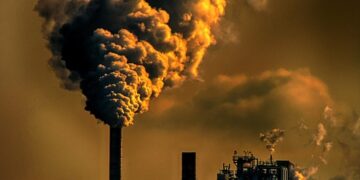
One of the primary drivers of global warming is the burning of fossil fuels, such as coal, oil, and natural gas. These fuels release large amounts of carbon dioxide and other greenhouse gases when combusted, contributing to the overall warming of the planet. The transportation sector, in particular, is a major source of greenhouse gas emissions, with cars, trucks, and planes accounting for a significant portion of global emissions. In addition to transportation, the electricity generation and industrial sectors also rely heavily on fossil fuels, further exacerbating the problem.
HTML Heading 3: Deforestation and Land Use Change
In addition to fossil fuel emissions, deforestation and land use change are also significant contributors to global warming. Forests play a crucial role in absorbing carbon dioxide from the atmosphere and storing it in their biomass. When forests are cleared for agriculture, logging, or development, this stored carbon is released back into the atmosphere, contributing to greenhouse gas emissions. Deforestation not only releases carbon dioxide but also reduces the planet’s ability to absorb future emissions, creating a dangerous feedback loop that accelerates climate change.
HTML Heading 4: The Impact of Agriculture and Livestock Production
Another often overlooked contributor to global warming is the agriculture and livestock sector. Livestock production, in particular, generates large amounts of methane, a potent greenhouse gas that is much more effective at trapping heat than carbon dioxide. Additionally, the use of fertilizers in agriculture releases nitrous oxide, another powerful greenhouse gas. By transitioning to more sustainable agricultural practices, such as regenerative farming and plant-based diets, we can reduce the environmental impact of food production and help mitigate global warming.
HTML Heading 5: The Need for Renewable Energy and Sustainable Practices
To address the root causes of global warming, we must transition away from fossil fuels and embrace renewable energy sources such as solar, wind, and hydropower. By investing in clean energy technologies and improving energy efficiency, we can reduce our reliance on carbon-intensive fuels and lower greenhouse gas emissions. In addition to transitioning to renewable energy, we must also adopt sustainable practices in agriculture, forestry, and land use to protect our planet’s natural resources and mitigate the impacts of climate change.
HTML Heading 6: The Role of Policy and International Cooperation
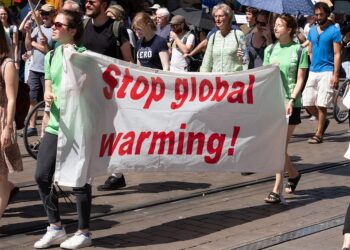
While individual actions are important in the fight against global warming, meaningful change also requires collective action at the policy level. Governments around the world must implement strong regulations and incentives to encourage the transition to clean energy and sustainable practices. International cooperation is also crucial, as climate change is a global issue that requires a coordinated response from all nations. By working together to reduce emissions, protect natural ecosystems, and build resilience to climate impacts, we can create a more sustainable future for generations to come.
In conclusion, global warming is a complex and multifaceted issue that requires a comprehensive approach to address its root causes. By understanding the science behind climate change, reducing our reliance on fossil fuels, protecting forests and natural ecosystems, and promoting sustainable practices, we can make meaningful progress in mitigating the impacts of global warming. Through individual actions, policy changes, and international cooperation, we can work together to create a more sustainable and resilient future for our planet. Let’s take action now to combat global warming and protect the health of our planet for future generations.