In today’s world, the concept of green living has become increasingly important as we strive to create a more sustainable future for our planet. One of the key aspects of green living is making eco-friendly choices when it comes to our homes. By incorporating sustainable practices and materials into our living spaces, we can reduce our carbon footprint and help protect the environment for future generations.
What is Green Living?
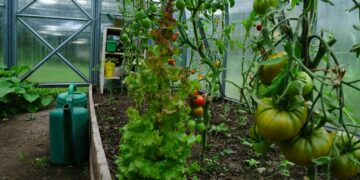
Green living is a lifestyle that focuses on minimizing our impact on the environment and promoting sustainability. It involves making conscious choices to reduce waste, conserve resources, and protect the planet. In the context of our homes, green living can involve everything from using energy-efficient appliances to growing our own food in a backyard garden.
Benefits of Green Living
There are numerous benefits to adopting a green living lifestyle, both for the environment and for our own health and well-being. By reducing our energy consumption and waste production, we can lower our carbon footprint and help combat climate change. Green living can also lead to cost savings, as energy-efficient appliances and practices can lower utility bills.
Eco-Friendly Home Ideas
There are many ways to make your home more eco-friendly and sustainable. Here are some ideas to get you started:
1. Energy-Efficient Appliances: One of the easiest ways to reduce your energy consumption is by using energy-efficient appliances. Look for appliances with the Energy Star label, which indicates that they meet strict energy efficiency guidelines.
2. Solar Panels: Installing solar panels on your roof can help you generate your own clean, renewable energy. While the upfront cost of solar panels can be high, they can lead to significant savings on your energy bills over time.
3. LED Lighting: Switching to LED light bulbs can help you save energy and reduce your carbon footprint. LED bulbs use up to 80% less energy than traditional incandescent bulbs and last much longer.
4. Water-Saving Fixtures: Installing low-flow showerheads and faucets can help you conserve water and reduce your water usage. You can also consider installing a rainwater harvesting system to collect rainwater for outdoor use.
5. Eco-Friendly Materials: When renovating or building your home, choose eco-friendly materials such as reclaimed wood, bamboo flooring, and recycled glass countertops. These materials are sustainable and can help reduce your environmental impact.
Common Questions about Green Living
1. Is green living expensive?
While some green living practices, such as installing solar panels, can have a high upfront cost, many eco-friendly choices can actually save you money in the long run. Energy-efficient appliances, for example, can lower your utility bills over time.
2. How can I make my home more eco-friendly without a major renovation?
There are many simple changes you can make to your home to make it more eco-friendly, such as switching to LED light bulbs, using programmable thermostats, and reducing your water usage.
3. What are some easy ways to reduce waste at home?
You can reduce waste at home by recycling, composting organic waste, and avoiding single-use plastics. You can also buy products with minimal packaging and choose reusable alternatives to disposable items.
Conclusion
In conclusion, green living is an important aspect of creating a more sustainable future for our planet. By making eco-friendly choices in our homes, we can reduce our carbon footprint, save money, and help protect the environment for future generations. From using energy-efficient appliances to choosing eco-friendly materials, there are many ways to make your home more sustainable. By taking small steps towards green living, we can all play a part in creating a more sustainable future for our planet.