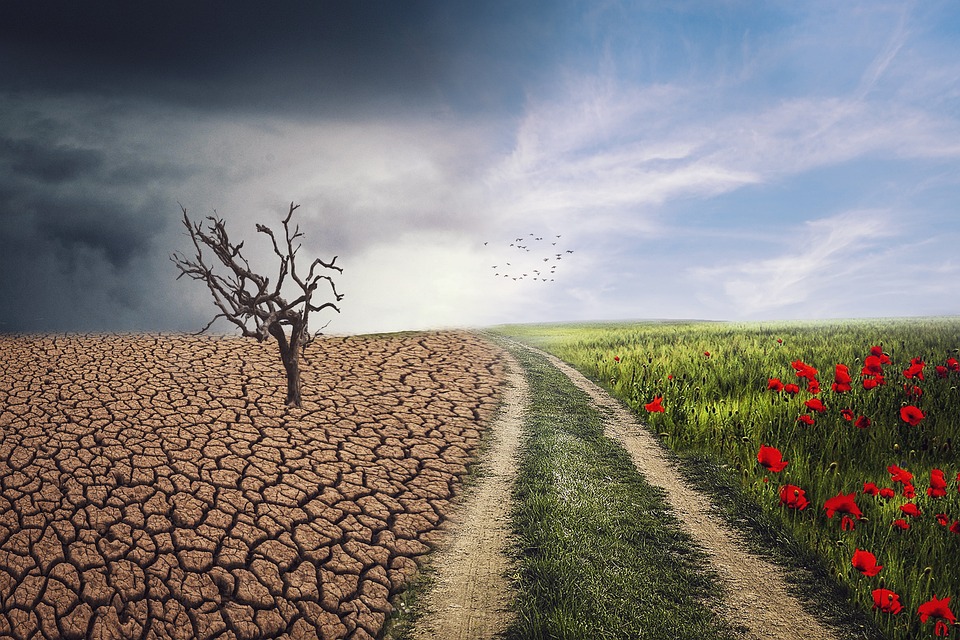
Charting a Sustainable Future: Exploring Climate Change Policies for a Greener Tomorrow
In recent years, the global conversation around climate change has reached a fever pitch. With rising temperatures, melting ice caps, and more frequent extreme weather events, the need for action has never been more urgent. Governments, businesses, and individuals around the world are grappling with the challenge of reducing carbon emissions and transitioning to a more sustainable way of living.
The Importance of Climate Change Policies
Climate change policies are essential for addressing the root causes of global warming and ensuring a sustainable future for generations to come. These policies aim to reduce greenhouse gas emissions, promote renewable energy sources, and incentivize sustainable practices across all sectors of society. By implementing effective climate change policies, we can mitigate the worst impacts of climate change and create a greener, healthier planet for future generations.
Common Questions About Climate Change Policies
As the conversation around climate change intensifies, many people have questions about the policies and strategies needed to combat this global challenge. Some common questions include:
– What are the key components of effective climate change policies?
– How can governments and businesses work together to achieve climate goals?
– What role do individuals play in combating climate change?
– How can we ensure a just transition to a low-carbon economy?
Key Components of Effective Climate Change Policies
Effective climate change policies typically include a mix of regulatory measures, financial incentives, and public awareness campaigns. Some key components of these policies include:
– Setting ambitious emissions reduction targets: Governments must establish clear, measurable goals for reducing greenhouse gas emissions and transitioning to a low-carbon economy.
– Investing in renewable energy: Transitioning to renewable energy sources such as solar, wind, and hydro power is essential for reducing our reliance on fossil fuels and lowering carbon emissions.
– Implementing carbon pricing mechanisms: Carbon pricing, such as carbon taxes or cap-and-trade systems, can help internalize the true cost of carbon emissions and incentivize businesses to reduce their carbon footprint.
– Promoting sustainable practices: Encouraging sustainable practices in agriculture, transportation, and other sectors can help reduce emissions and protect the environment.
Government and Business Collaboration
Governments and businesses must work together to achieve climate goals and create a sustainable future. Businesses can play a crucial role in reducing emissions through energy efficiency measures, investing in renewable energy, and adopting sustainable business practices. Governments, on the other hand, can provide regulatory support, financial incentives, and policy frameworks to encourage businesses to take action on climate change.
The Role of Individuals
Individuals also have a vital role to play in combating climate change. By making simple changes to their daily habits, such as reducing energy consumption, using public transportation, and supporting sustainable products and businesses, individuals can help reduce their carbon footprint and contribute to a greener future.
Ensuring a Just Transition
As we transition to a low-carbon economy, it is essential to ensure that the benefits of this transition are shared equitably among all members of society. This means protecting workers in industries that are impacted by the shift to renewable energy, providing training and support for new green jobs, and addressing the needs of vulnerable communities that are disproportionately affected by climate change.
Conclusion
In conclusion, charting a sustainable future requires a comprehensive approach to climate change policies that address the root causes of global warming, promote renewable energy sources, and incentivize sustainable practices across all sectors of society. By working together at the government, business, and individual levels, we can create a greener, healthier planet for future generations to enjoy. Let’s take action today to ensure a sustainable tomorrow.