The Race Against Time: Global Warming vs Climate Change
Global warming and climate change are two terms that are often used interchangeably, but they refer to slightly different phenomena. Global warming refers to the long-term increase in Earth’s average surface temperature, while climate change encompasses a broader range of changes in Earth’s climate system, including changes in temperature, precipitation patterns, and extreme weather events.
Understanding Global Warming
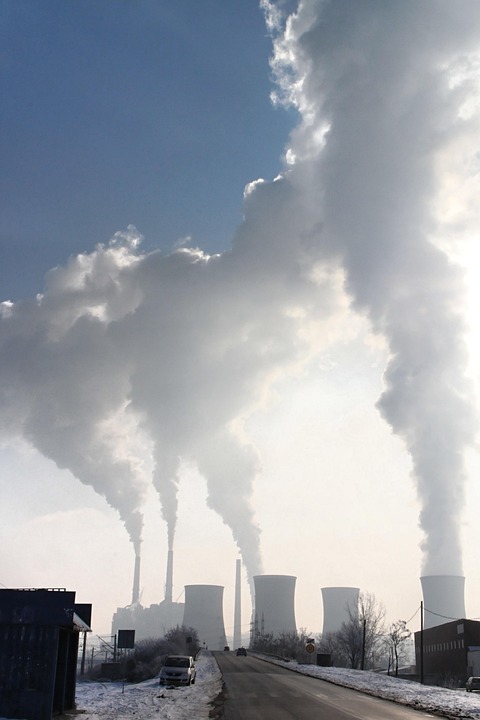
Global warming is primarily caused by the release of greenhouse gases into the atmosphere, which trap heat and raise the Earth’s temperature. The main greenhouse gases responsible for global warming are carbon dioxide, methane, and nitrous oxide. These gases are released through human activities such as burning fossil fuels, deforestation, and industrial processes.
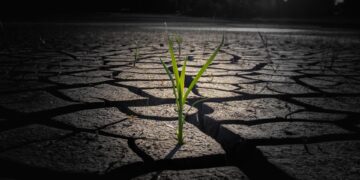
The consequences of global warming are far-reaching and include rising sea levels, melting glaciers, more frequent and intense heatwaves, and changes in precipitation patterns. These changes can have a significant impact on ecosystems, agriculture, human health, and economies.
The Science of Climate Change
Climate change is a complex and interconnected phenomenon that is influenced by a variety of factors, including greenhouse gas emissions, land use changes, and natural climate variability. While global warming is a key component of climate change, it is just one piece of the puzzle.
Climate change can have both direct and indirect effects on the environment and society. Direct effects include changes in temperature and precipitation patterns, while indirect effects include impacts on ecosystems, food production, water resources, and human health.
The Urgency of Action
The race against time to address global warming and climate change is becoming increasingly urgent. The Intergovernmental Panel on Climate Change (IPCC) has warned that we have a limited window of opportunity to prevent the most catastrophic impacts of climate change. Without immediate and ambitious action to reduce greenhouse gas emissions, we risk crossing dangerous tipping points that could result in irreversible damage to the planet.
It is essential that governments, businesses, and individuals take action to reduce their carbon footprint and transition to a more sustainable and resilient economy. This includes investing in renewable energy, increasing energy efficiency, protecting forests and ecosystems, and adapting to the impacts of climate change.
The Role of Technology
Technology plays a crucial role in the fight against global warming and climate change. Advances in renewable energy, energy efficiency, carbon capture and storage, and sustainable agriculture are helping to reduce greenhouse gas emissions and transition to a low-carbon economy. Innovations in climate modeling, monitoring, and early warning systems are also helping to improve our understanding of climate change and its impacts.
From solar panels and wind turbines to electric vehicles and smart grids, technology is enabling us to decarbonize our economy and reduce our reliance on fossil fuels. By harnessing the power of innovation and collaboration, we can accelerate the transition to a sustainable and climate-resilient future.
The Power of Collaboration
Addressing global warming and climate change requires a collective effort from all sectors of society. Governments, businesses, civil society organizations, and individuals all have a role to play in reducing greenhouse gas emissions, protecting ecosystems, and building resilience to the impacts of climate change.
International cooperation and collaboration are essential to address the global nature of climate change and ensure that all countries have the resources and support they need to take action. The Paris Agreement, adopted in 2015, is a landmark international agreement that aims to limit global warming to well below 2 degrees Celsius above pre-industrial levels and pursue efforts to limit it to 1.5 degrees Celsius.
Conclusion
The race against time to address global warming and climate change is one of the defining challenges of our time. The consequences of inaction are dire, but the opportunities for action are vast. By working together and harnessing the power of technology, innovation, and collaboration, we can build a more sustainable and resilient future for generations to come.
It is up to all of us to take action now to protect our planet and ensure a livable climate for future generations. The time to act is now.