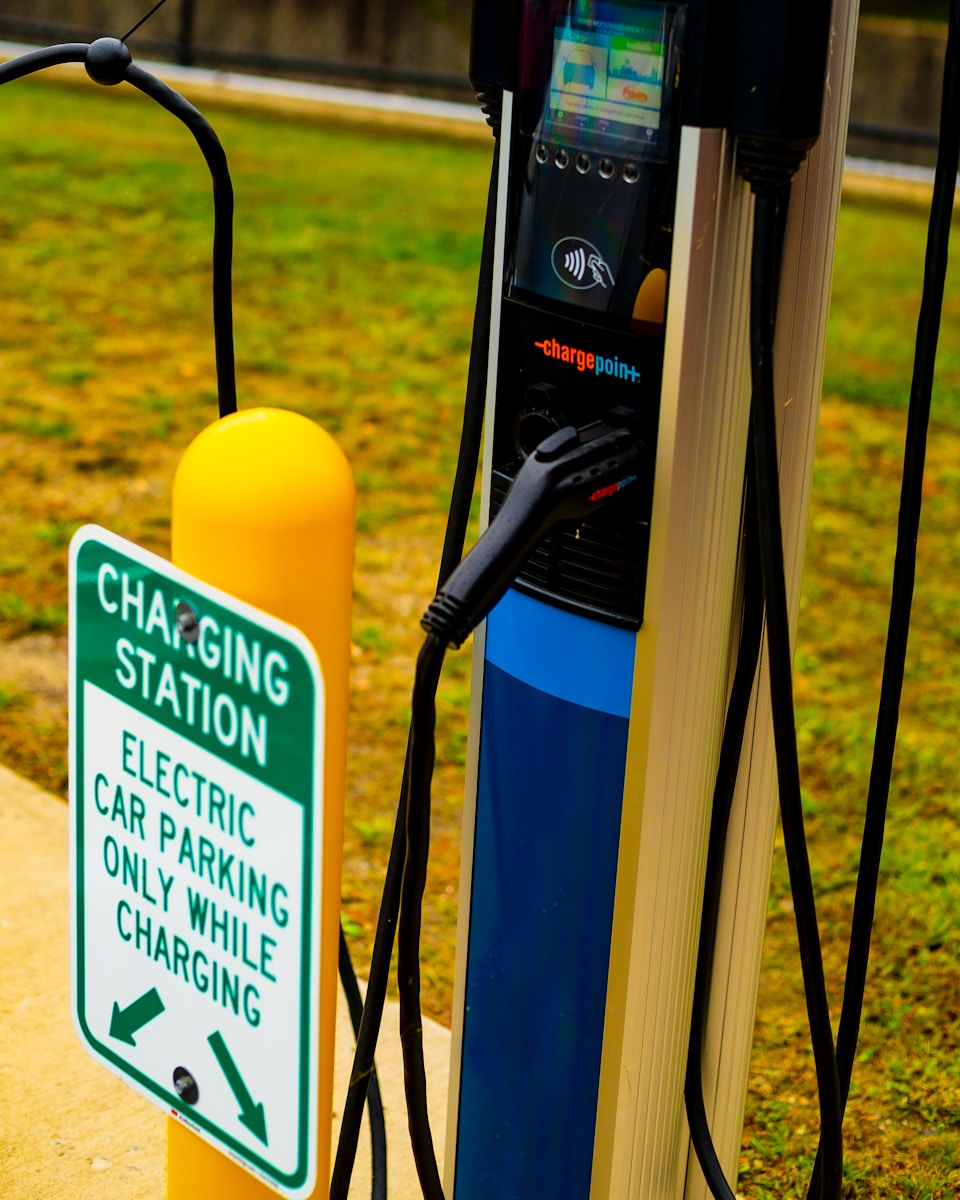
Charging Towards a Greener Future: The Environmental Benefits of Electric Cars
As the world becomes increasingly aware of the environmental impact of traditional gasoline-powered vehicles, there has been a growing shift towards more sustainable transportation options. Electric cars are one such option that offers a cleaner and greener alternative to traditional vehicles. In this article, we will explore the environmental benefits of electric cars and why they are a crucial step towards a more sustainable future.
Reduced Emissions
One of the most significant environmental benefits of electric cars is their ability to reduce harmful emissions that contribute to air pollution and climate change. Unlike gasoline-powered vehicles, electric cars do not produce tailpipe emissions that release harmful pollutants such as carbon monoxide, nitrogen oxides, and particulate matter into the atmosphere. By driving an electric car, you can significantly reduce your carbon footprint and help improve air quality in your community.
Energy Efficiency
Electric cars are also more energy-efficient than traditional gasoline-powered vehicles. Electric motors are significantly more efficient at converting energy from their power source (usually a battery) into motion than internal combustion engines. This means that electric cars require less energy to operate and can travel further on a single charge. By using energy more efficiently, electric cars help reduce overall energy consumption and reliance on fossil fuels.
Renewable Energy Integration
Another environmental benefit of electric cars is their potential to integrate with renewable energy sources such as solar and wind power. By charging your electric car with electricity generated from renewable sources, you can further reduce your carbon footprint and support the transition towards a cleaner energy system. As renewable energy becomes more widespread and affordable, the environmental benefits of electric cars will only continue to grow.
Reduced Noise Pollution
In addition to reducing air pollution, electric cars also help reduce noise pollution in urban areas. Electric motors are much quieter than traditional internal combustion engines, which means less noise is generated while driving. This can lead to a more peaceful and enjoyable driving experience for both the driver and those around them. By reducing noise pollution, electric cars can contribute to a more livable and sustainable urban environment.
Long-Term Cost Savings
While the initial cost of purchasing an electric car may be higher than a traditional gasoline-powered vehicle, electric cars offer long-term cost savings that can make them a more economical choice in the long run. Electric cars have lower maintenance costs due to fewer moving parts and do not require regular oil changes or tune-ups. Additionally, the cost of electricity is often lower than gasoline, which can result in significant savings on fuel expenses over time.
Common Questions About Electric Cars
1. How far can electric cars travel on a single charge?
The range of an electric car can vary depending on the model and battery capacity. Most modern electric cars have a range of 150-300 miles on a single charge, with some models offering even greater range. As battery technology continues to improve, the range of electric cars is expected to increase in the future.
2. How long does it take to charge an electric car?
The time it takes to charge an electric car can vary depending on the charging infrastructure and battery capacity. Most electric cars can be charged overnight using a standard home charging station, which typically takes 8-12 hours. Fast charging stations are also available that can charge an electric car to 80% capacity in as little as 30 minutes.
3. Are electric cars more expensive to maintain?
Electric cars are generally less expensive to maintain than traditional gasoline-powered vehicles. Electric cars have fewer moving parts and do not require regular oil changes or tune-ups, which can result in lower maintenance costs over time. Additionally, the cost of electricity is often lower than gasoline, which can lead to savings on fuel expenses.
Conclusion
Electric cars offer a cleaner, greener, and more sustainable transportation option that can help reduce harmful emissions, improve air quality, and support the transition towards a cleaner energy system. By driving an electric car, you can reduce your carbon footprint, save money on fuel expenses, and contribute to a more livable urban environment. As technology continues to improve and the infrastructure for electric vehicles expands, the environmental benefits of electric cars will only continue to grow. Charging towards a greener future with electric cars is a crucial step towards a more sustainable and environmentally-friendly transportation system.
References:
1. https://www.epa.gov/greenvehicles/greenhouse-gas-emissions-typical-passenger-vehicle
2. https://www.energy.gov/eere/electricvehicles/benefits-electric-vehicles
3. https://afdc.energy.gov/vehicles/how-do-all-electric-cars-work