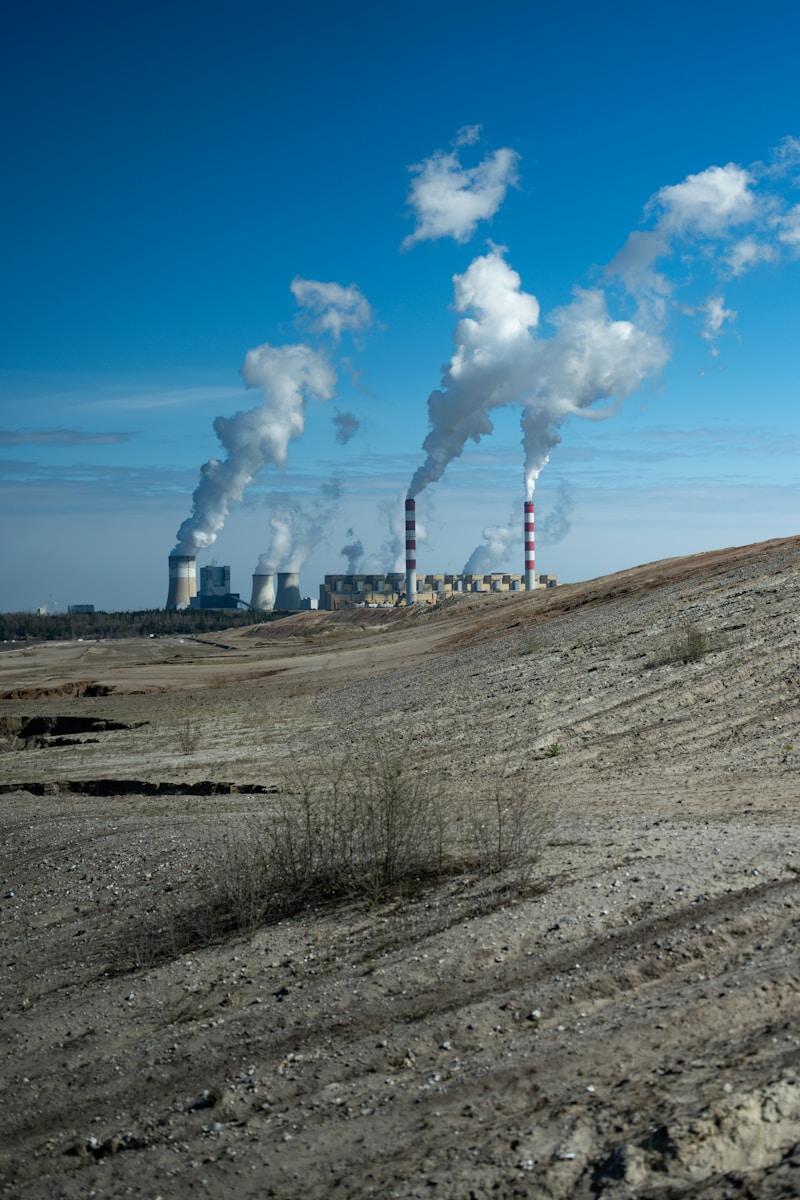
Choking on Progress: The Toxic Truth About Factory Emissions
As the world continues to march forward in the name of progress and development, there is a dark shadow looming over us – factory emissions. These toxic gases and particles are released into the atmosphere by industrial facilities, causing harm to both the environment and human health. In this article, we will delve into the harmful effects of factory emissions, the reasons behind their release, and what can be done to mitigate their impact.
The Harmful Effects of Factory Emissions
Factory emissions consist of a variety of pollutants, including carbon dioxide, sulfur dioxide, nitrogen oxides, and particulate matter. These pollutants can have a range of harmful effects on both the environment and human health.
Environmental Impact
One of the most significant environmental impacts of factory emissions is air pollution. These pollutants can contribute to smog, acid rain, and climate change. They can also harm ecosystems, including forests, lakes, and rivers, by acidifying soil and water and disrupting wildlife habitats.
Human Health Impact
Factory emissions can also have severe consequences for human health. Exposure to these pollutants can lead to respiratory problems, cardiovascular diseases, and even premature death. Children, the elderly, and individuals with pre-existing health conditions are particularly vulnerable to the effects of factory emissions.
Reasons Behind the Release of Factory Emissions
There are several factors that contribute to the release of factory emissions. One of the main reasons is the burning of fossil fuels, such as coal, oil, and natural gas, to generate electricity and power industrial processes. Other sources of factory emissions include the production of cement, steel, and chemicals, as well as transportation and waste incineration.
Lack of Regulation
Another reason behind the release of factory emissions is the lack of strict regulations and enforcement mechanisms. Many countries have weak environmental laws or fail to enforce existing regulations, allowing industrial facilities to emit pollutants unchecked.
Cost-cutting Measures
Some companies prioritize profits over environmental protection and take cost-cutting measures that result in higher emissions. These include using outdated equipment, skipping maintenance, and avoiding investments in cleaner technologies.
Mitigating the Impact of Factory Emissions
Despite the challenges posed by factory emissions, there are ways to mitigate their impact and promote a cleaner, healthier environment.
Transition to Clean Energy
One of the most effective ways to reduce factory emissions is to transition to clean energy sources, such as solar, wind, and hydropower. By investing in renewable energy technologies, industrial facilities can reduce their carbon footprint and lessen their impact on the environment.
Implementing Pollution Control Technologies
Industrial facilities can also implement pollution control technologies, such as scrubbers, filters, and catalytic converters, to reduce emissions of harmful pollutants. These technologies can capture pollutants before they are released into the atmosphere, helping to improve air quality and protect human health.
Conclusion
Factory emissions are a significant threat to the environment and human health, but there are solutions available to mitigate their impact. By transitioning to clean energy sources, implementing pollution control technologies, and enforcing strict regulations, we can work towards a cleaner, healthier future for all. It is imperative that we take action now to address the toxic truth about factory emissions and ensure a sustainable world for future generations.