Harvesting the Future: How Climate Change is Shaping the Agricultural Industry
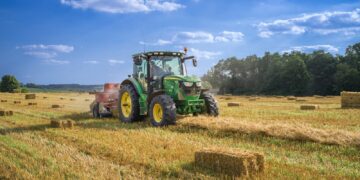
Climate change is one of the most pressing issues of our time, and its impact on the agricultural industry cannot be overstated. From extreme weather events to shifting growing seasons, farmers around the world are facing new challenges as they work to produce food for a growing population. In this article, we will explore how climate change is shaping the agricultural industry and what farmers can do to adapt to these changes.
The Impact of Climate Change on Agriculture
Climate change is already having a significant impact on agriculture, and these effects are only expected to worsen in the coming years. One of the most noticeable impacts of climate change on agriculture is the increase in extreme weather events, such as droughts, floods, and heatwaves. These events can have devastating effects on crops, leading to lower yields and higher production costs for farmers.
In addition to extreme weather events, climate change is also leading to shifts in growing seasons and changes in the distribution of pests and diseases. As temperatures rise, pests that were once confined to certain regions are now able to thrive in new areas, putting additional pressure on farmers to protect their crops.
Adapting to a Changing Climate
While the effects of climate change on agriculture are significant, there are steps that farmers can take to adapt to these changes and ensure the long-term viability of their operations. One of the most important things that farmers can do is to improve their soil health, as healthy soil is better able to withstand the impacts of extreme weather events and provide nutrients to crops.
Another key strategy for adapting to climate change is to diversify crops and farming practices. By growing a variety of crops and using sustainable farming techniques, farmers can reduce their reliance on a single crop or practice and increase their resilience to changing environmental conditions.
The Role of Technology in Agriculture
Technology is playing an increasingly important role in helping farmers adapt to the challenges posed by climate change. From precision agriculture techniques that allow farmers to more efficiently use resources to drones and satellite imagery that can help farmers monitor their fields, technology is providing farmers with the tools they need to thrive in a changing climate.
One example of how technology is helping farmers adapt to climate change is the use of weather forecasting tools. By using these tools, farmers can better predict when extreme weather events are likely to occur and take steps to protect their crops, such as harvesting early or applying additional irrigation. This can help farmers minimize the impact of climate change on their operations and ensure a more reliable food supply.
Conclusion
Climate change is a significant challenge for the agricultural industry, but by taking proactive steps to adapt to these changes, farmers can continue to feed a growing population. By improving soil health, diversifying crops and farming practices, and embracing technology, farmers can increase their resilience to the impacts of climate change and ensure the long-term sustainability of their operations.
As we look to the future, it is clear that climate change will continue to shape the agricultural industry in profound ways. By working together to address this challenge, farmers, researchers, and policymakers can ensure that agriculture remains a vital and sustainable industry for generations to come.