The Future of Our Planet: Navigating Environmental Challenges in the Future
As we approach the year 2026, the future of our planet hangs in the balance. With the looming threat of climate change, deforestation, pollution, and other environmental challenges, it is more important than ever for us to take action to protect our planet for future generations. In this article, we will explore the key environmental challenges facing our planet in 2026 and discuss how we can navigate these challenges to create a more sustainable future.
Climate Change
One of the most pressing environmental challenges facing our planet in 2026 is climate change. The Earth’s climate is rapidly changing due to the increase in greenhouse gas emissions from human activities such as burning fossil fuels, deforestation, and industrial processes. These emissions trap heat in the atmosphere, leading to rising global temperatures, melting ice caps, and more frequent and severe weather events.
In order to combat climate change and mitigate its impacts, it is essential that we transition to renewable energy sources such as solar, wind, and hydroelectric power. By reducing our reliance on fossil fuels and investing in clean energy technologies, we can significantly reduce our carbon footprint and slow the pace of global warming.
Deforestation
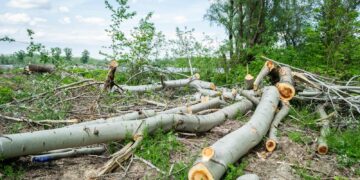
Deforestation is another major environmental challenge that we are facing in 2026. Millions of acres of forests are lost each year due to logging, agriculture, and urban development, leading to the destruction of vital habitats for wildlife and the release of carbon dioxide into the atmosphere.
To address deforestation, we must work to protect and restore forests around the world. This can be achieved through initiatives such as reforestation, sustainable forestry practices, and the protection of biodiversity hotspots. By preserving our forests, we can not only mitigate climate change but also support the health and well-being of ecosystems and communities around the world.
Pollution
Pollution is a pervasive environmental challenge that continues to threaten the health of our planet in 2026. From air and water pollution to plastic waste and chemical contamination, pollution has a wide range of negative impacts on ecosystems, wildlife, and human health.
To combat pollution, we must reduce our use of single-use plastics, support clean air and water regulations, and invest in sustainable waste management practices. By taking steps to reduce pollution in our daily lives and advocating for stronger environmental policies, we can help protect our planet from the harmful effects of pollution.
Biodiversity Loss
Biodiversity loss is another critical environmental challenge facing our planet in 2026. The loss of species and ecosystems due to habitat destruction, climate change, and other human activities is leading to a decline in biodiversity and the disruption of vital ecosystem services.
To address biodiversity loss, we must work to protect and restore ecosystems, support conservation efforts for endangered species, and promote sustainable land use practices. By prioritizing biodiversity conservation in our environmental policies and practices, we can help safeguard the health and resilience of ecosystems and ensure a sustainable future for all living beings.
Conclusion
In conclusion, the future of our planet in 2026 is at a critical juncture. With the looming threats of climate change, deforestation, pollution, and biodiversity loss, it is essential that we take action to protect and preserve our planet for future generations. By transitioning to renewable energy sources, protecting and restoring forests, reducing pollution, and supporting biodiversity conservation efforts, we can create a more sustainable future for all living beings on Earth.
It is up to each and every one of us to take responsibility for our actions and make conscious choices that prioritize the health and well-being of our planet. By working together to address these environmental challenges, we can create a brighter future for ourselves, our children, and all living beings on Earth.