The Silent Killer: Unveiling the Deadly Impact of Factory Emissions on Our Air Quality
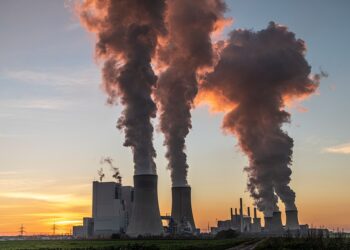
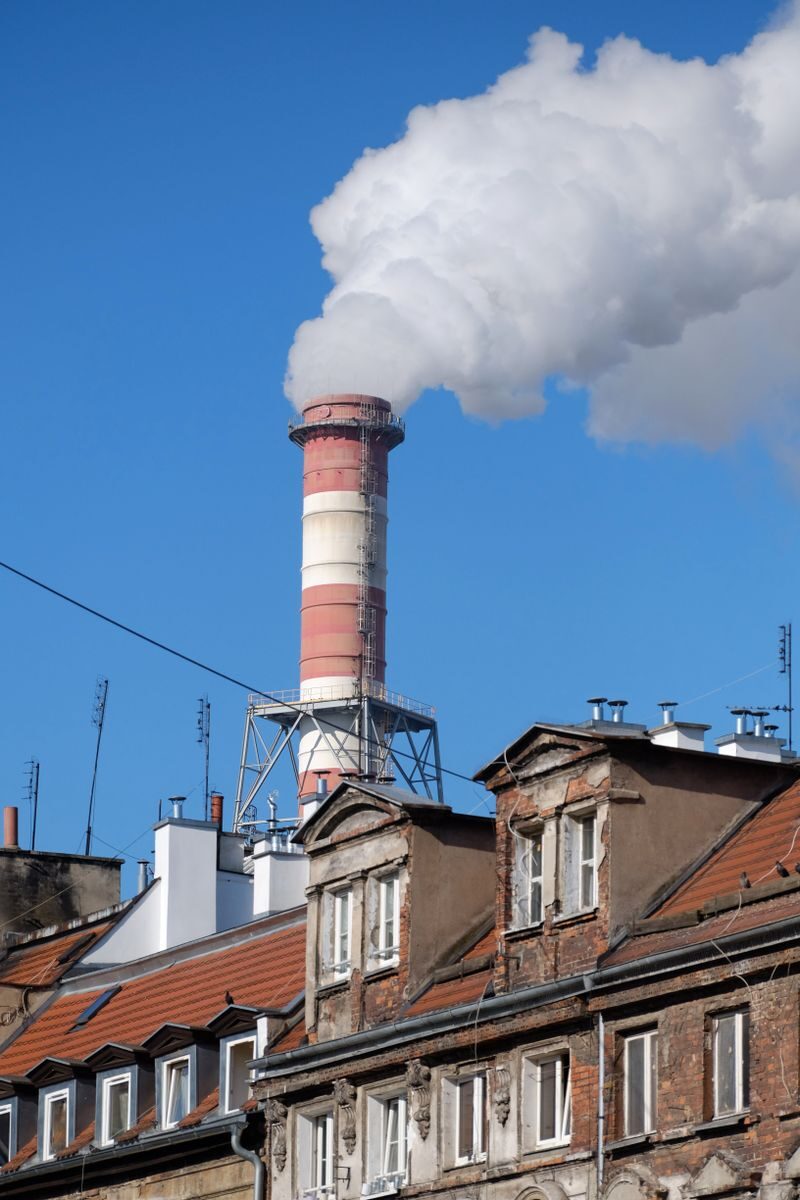
Factory emissions are a significant contributor to air pollution, posing a serious threat to public health and the environment. While the effects of factory emissions may not always be visible, they can have a devastating impact on our air quality and overall well-being. In this article, we will explore the hidden dangers of factory emissions, their impact on air quality, and what we can do to address this growing issue.
The Dangers of Factory Emissions
Factory emissions consist of a variety of pollutants, including carbon monoxide, sulfur dioxide, nitrogen oxides, and particulate matter. These pollutants can have a range of harmful effects on human health, including respiratory problems, heart disease, and even premature death. In addition to their impact on human health, factory emissions can also harm the environment by contributing to climate change, acid rain, and ozone depletion.
Health Effects of Factory Emissions
Exposure to factory emissions can have serious health consequences, particularly for vulnerable populations such as children, the elderly, and individuals with preexisting health conditions. Short-term exposure to factory emissions can cause symptoms such as coughing, wheezing, and shortness of breath, while long-term exposure can lead to chronic respiratory diseases, heart disease, and even cancer.
Environmental Impact of Factory Emissions
In addition to their effects on human health, factory emissions can also have a significant impact on the environment. Pollutants released by factories can contribute to the formation of smog, acid rain, and ground-level ozone, all of which can harm ecosystems, crops, and wildlife. In addition, factory emissions are a major contributor to climate change, as they release greenhouse gases such as carbon dioxide and methane into the atmosphere.
Addressing the Problem
While factory emissions pose a serious threat to our air quality, there are steps that can be taken to address this growing issue. Government regulations play a crucial role in regulating factory emissions and ensuring that they meet air quality standards. In addition, technological advancements such as pollution control devices and cleaner production methods can help reduce the amount of pollutants released by factories.
Government Regulations
Government regulations are essential for controlling factory emissions and protecting public health and the environment. In many countries, factories are required to adhere to strict emissions standards and obtain permits to operate. Regulatory agencies such as the Environmental Protection Agency (EPA) in the United States monitor factory emissions and enforce compliance with air quality regulations.
Technological Advancements
Advancements in technology have also played a crucial role in reducing factory emissions. Pollution control devices such as scrubbers, catalytic converters, and electrostatic precipitators can help remove pollutants from factory emissions before they are released into the atmosphere. In addition, cleaner production methods such as switching to renewable energy sources and implementing energy-efficient practices can help reduce the overall environmental impact of factories.
Conclusion
Factory emissions are a silent killer that poses a serious threat to our air quality and overall well-being. By understanding the dangers of factory emissions, addressing the problem through government regulations and technological advancements, we can work together to protect public health and the environment from the harmful effects of air pollution. It is essential that we take action now to reduce factory emissions and create a healthier, cleaner future for generations to come.