Emerging Environmental Challenges: A Look Ahead to 2026
As we approach the year 2026, it is important to take a closer look at the emerging environmental challenges that lie ahead. With climate change accelerating at an alarming rate, it is crucial that we address these issues head-on and work towards sustainable solutions. In this article, we will delve into the key environmental challenges that are expected to emerge in the coming years and explore potential ways to mitigate their impact.
1. Climate Change
Climate change remains one of the most pressing environmental challenges facing our planet. The rise in global temperatures, melting polar ice caps, and extreme weather events are all evidence of the impact of climate change. By 2026, it is projected that the average global temperature will continue to rise, leading to more frequent and severe heatwaves, droughts, and storms.
To address this challenge, it is essential that we transition to renewable energy sources such as solar, wind, and hydropower. By reducing our reliance on fossil fuels, we can significantly reduce greenhouse gas emissions and slow the rate of climate change. Additionally, implementing energy-efficient practices in our homes and businesses can help to further reduce our carbon footprint.
2. Biodiversity Loss
The loss of biodiversity is another critical environmental challenge that we must address. As human activities such as deforestation, pollution, and overfishing continue to degrade natural habitats, many species are facing extinction. By 2026, it is estimated that one million plant and animal species will be at risk of extinction.
To combat biodiversity loss, we must prioritize conservation efforts and protect endangered species and their habitats. Implementing sustainable land use practices, creating protected areas, and enforcing stricter regulations on wildlife trade are all essential steps in preserving biodiversity. Additionally, raising awareness about the importance of biodiversity and the role it plays in maintaining ecosystem health is crucial.
3. Water Scarcity
Water scarcity is a growing environmental challenge that is expected to worsen by 2026. As populations continue to grow and demand for water increases, many regions around the world are facing water shortages. Climate change is also exacerbating this issue, with changing weather patterns leading to droughts and reduced water availability.
To address water scarcity, we must prioritize water conservation efforts and invest in water infrastructure improvements. Implementing water-saving technologies, such as efficient irrigation systems and low-flow fixtures, can help to reduce water waste. Additionally, promoting water reuse and recycling can help to alleviate pressure on freshwater sources.
4. Pollution
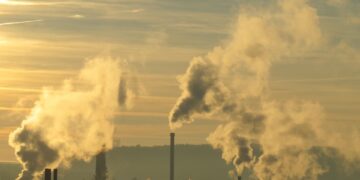
Pollution remains a significant environmental challenge that poses serious health risks to both humans and wildlife. By 2026, it is projected that air, water, and soil pollution will continue to worsen, leading to a range of health problems and environmental damage. Industrial activities, transportation emissions, and improper waste disposal are all major contributors to pollution.
To reduce pollution, we must implement stricter regulations on emissions and waste disposal practices. Transitioning to cleaner energy sources and promoting sustainable transportation options can help to reduce air pollution. Additionally, investing in waste management solutions, such as recycling and composting, can help to minimize the amount of waste that ends up in landfills.
5. Deforestation
Deforestation is a critical environmental challenge that is contributing to the loss of biodiversity, habitat destruction, and climate change. By 2026, it is estimated that large areas of forests will continue to be cleared for agriculture, logging, and urban development. This destruction of forests not only threatens wildlife species but also impacts the global climate.
To combat deforestation, we must prioritize forest conservation efforts and promote sustainable land use practices. Implementing reforestation and afforestation projects can help to restore degraded forests and create new habitats for wildlife. Additionally, enforcing strict regulations on logging and land clearance can help to protect remaining forested areas.
Conclusion
As we look ahead to 2026, it is clear that there are many environmental challenges that we must address in order to ensure a sustainable future for our planet. By taking action to combat climate change, preserve biodiversity, address water scarcity, reduce pollution, and combat deforestation, we can work towards a healthier and more resilient environment. It is imperative that individuals, businesses, and governments come together to implement sustainable solutions and prioritize the protection of our planet for future generations.
By addressing these environmental challenges head-on and working towards sustainable solutions, we can create a more resilient and healthy planet for future generations.