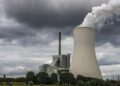
Global Warming 101: A Beginner’s Guide to Understanding and Combating Climate Change
Global warming, also known as climate change, is one of the most pressing issues facing our planet today. It refers to the gradual increase in the Earth’s average temperature due to human activities such as burning fossil fuels, deforestation, and industrial processes. In this beginner’s guide, we will explore the basics of global warming, its causes and effects, and what you can do to help combat it.
What is Global Warming?
Global warming is the long-term heating of the Earth’s climate system. It is primarily caused by the release of greenhouse gases such as carbon dioxide, methane, and nitrous oxide into the atmosphere. These gases trap heat from the sun, preventing it from escaping back into space and leading to a rise in global temperatures.
Causes of Global Warming
There are several factors that contribute to global warming, including:
- Burning fossil fuels: The combustion of coal, oil, and natural gas releases carbon dioxide into the atmosphere.
- Deforestation: Trees absorb carbon dioxide from the air, so cutting them down reduces the Earth’s ability to remove greenhouse gases.
- Industrial processes: Manufacturing and other industrial activities produce greenhouse gases as byproducts.
Effects of Global Warming
The effects of global warming are wide-ranging and include:
- Rising sea levels: As the Earth’s temperature rises, ice caps and glaciers melt, causing sea levels to rise and threatening coastal communities.
- Extreme weather events: Global warming is linked to an increase in extreme weather events such as hurricanes, droughts, and heatwaves.
- Loss of biodiversity: Many species are unable to adapt to the rapid changes in their habitats caused by global warming, leading to a loss of biodiversity.
Combating Global Warming
While global warming is a complex and challenging issue, there are steps that individuals and communities can take to help combat it:
- Reduce your carbon footprint: Cut down on your energy consumption, use public transportation, and support renewable energy sources such as solar and wind power.
- Plant trees: Trees absorb carbon dioxide from the air and can help offset your carbon emissions.
- Speak out: Advocate for policies that promote sustainability and reduce greenhouse gas emissions.
Conclusion
Global warming is a critical issue that requires immediate action. By understanding the causes and effects of climate change and taking steps to reduce our carbon footprint, we can all play a role in combating global warming and protecting the planet for future generations.
Remember, small changes can make a big difference when it comes to fighting global warming. Together, we can create a more sustainable and healthy planet for all.