Choking on Progress: The Deadly Impact of Factory Pollution on Our Air
As our world continues to progress and industrialize, the negative impact of factory pollution on our air is becoming increasingly evident. The rapid growth of factories and manufacturing plants has led to a significant increase in air pollution, posing serious health risks to both humans and the environment. In this article, we will explore the deadly consequences of factory pollution on our air and why it is crucial to address this issue before it’s too late.
The Rise of Factory Pollution
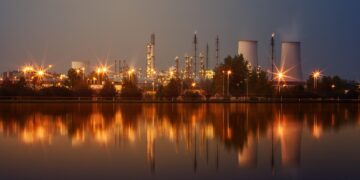
With the rise of industrialization, factories have become a common sight in many cities and towns around the world. These factories produce a wide range of products, from electronics to clothing to food, but they also produce a significant amount of pollution in the process. The burning of fossil fuels, emissions from vehicles, and the release of harmful chemicals and toxins into the air are just some of the ways in which factories contribute to air pollution.
As the demand for consumer goods continues to grow, so does the number of factories needed to meet this demand. This has led to a sharp increase in factory pollution, with harmful pollutants such as carbon monoxide, sulfur dioxide, nitrogen oxides, and particulate matter being released into the atmosphere on a daily basis.
The Deadly Consequences of Factory Pollution
The impact of factory pollution on our air is far-reaching and deadly. Air pollution has been linked to a wide range of health problems, including respiratory illnesses, heart disease, stroke, and even cancer. Children, the elderly, and those with pre-existing health conditions are particularly vulnerable to the effects of air pollution, which can exacerbate their symptoms and lead to serious complications.
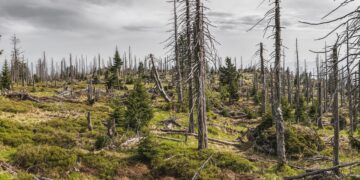
Furthermore, factory pollution doesn’t just affect human health – it also has a devastating impact on the environment. Pollutants released by factories can contaminate water sources, harm wildlife, and contribute to climate change. The destruction of habitats, loss of biodiversity, and the acidification of oceans are just some of the environmental consequences of factory pollution.
Addressing the Issue
It is clear that factory pollution poses a serious threat to both human health and the environment. In order to address this issue, we must take action to reduce emissions from factories and limit their impact on our air. This can be done through a combination of regulations, incentives, and technological advancements.
Regulations play a crucial role in controlling factory pollution, as they set limits on emissions and hold factories accountable for their environmental impact. Governments around the world must enforce strict regulations and penalties for non-compliance to ensure that factories are operating in an environmentally responsible manner.
Incentives, such as tax breaks and subsidies for clean energy initiatives, can also encourage factories to reduce their emissions and invest in sustainable practices. By rewarding companies that prioritize environmental stewardship, we can create a more sustainable future for our planet.
Technological advancements are another key component in addressing factory pollution. Innovations in clean energy, waste management, and pollution control technologies can help reduce emissions and minimize the environmental impact of factories. By investing in these technologies and supporting research and development in this area, we can pave the way for a cleaner and healthier future.
Conclusion
In conclusion, factory pollution is a deadly threat to our air and our planet. The rapid growth of factories and industrialization has led to a significant increase in air pollution, with serious consequences for human health and the environment. It is crucial that we take action to address this issue before it’s too late.
By implementing strict regulations, offering incentives for sustainable practices, and investing in technological advancements, we can reduce emissions from factories and protect our air from further pollution. It is up to all of us to take responsibility for our actions and work towards a cleaner, healthier future for generations to come.
Together, we can make a difference and ensure that future generations do not have to choke on the progress that has come at such a deadly cost.