Global Warming 101: An Easy Guide to Understanding the Climate Crisis
Global warming is a pressing issue that has been gaining attention in recent years. It refers to the gradual increase in the Earth’s temperature due to human activities, such as burning fossil fuels and deforestation. This has led to a range of environmental problems, including rising sea levels, extreme weather events, and loss of biodiversity. In this article, we will provide an easy guide to understanding global warming and the climate crisis.
What is Global Warming?
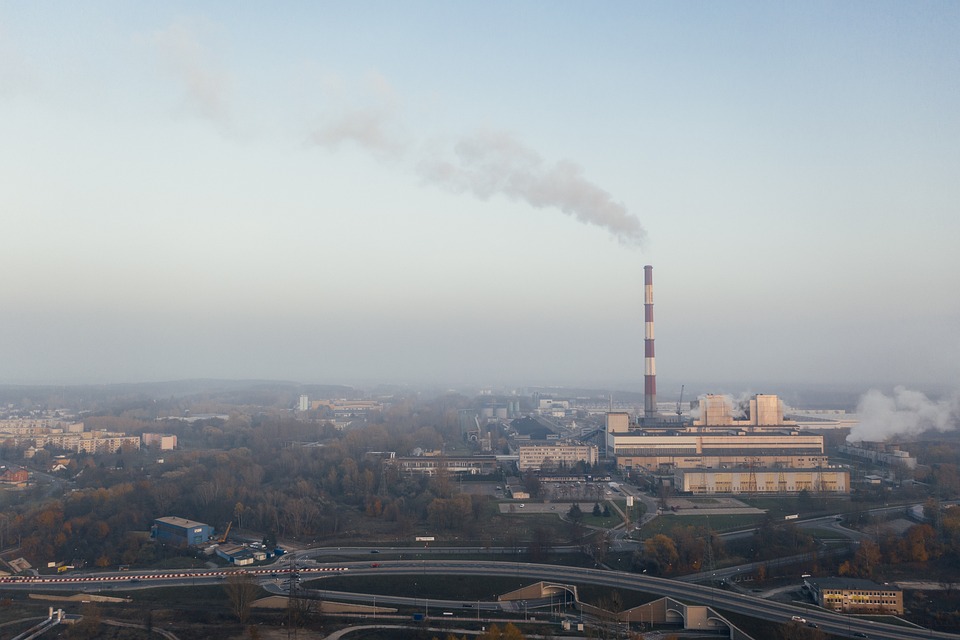
Global warming is the long-term heating of Earth’s climate system due to human activities, primarily the burning of fossil fuels, which releases greenhouse gases into the atmosphere. These gases, such as carbon dioxide and methane, trap heat from the sun, leading to a gradual increase in the Earth’s temperature. This phenomenon is often referred to as the greenhouse effect.
Causes of Global Warming
There are several factors contributing to global warming, including:
- Burning fossil fuels: The combustion of coal, oil, and natural gas releases carbon dioxide into the atmosphere.
- Deforestation: Trees absorb carbon dioxide from the air, so when forests are cut down, this greenhouse gas is released back into the atmosphere.
- Industrial processes: Manufacturing and other industrial activities release greenhouse gases, such as methane and nitrous oxide.
Effects of Global Warming
Global warming has a range of negative effects on the environment and human health, including:
- Rising sea levels: As temperatures rise, glaciers and ice caps melt, leading to higher sea levels and increased flooding in coastal areas.
- Extreme weather events: Global warming is linked to more frequent and severe weather events, such as hurricanes, droughts, and heatwaves.
- Loss of biodiversity: Climate change is causing shifts in ecosystems, leading to the loss of species and habitats.
How to Combat Global Warming
There are several ways individuals and communities can help combat global warming, including:
- Reduce energy consumption: Use energy-efficient appliances and vehicles, and turn off lights and electronics when not in use.
- Switch to renewable energy: Invest in solar, wind, or hydroelectric power to reduce reliance on fossil fuels.
- Plant trees: Trees help absorb carbon dioxide from the atmosphere, so planting and preserving forests can help combat global warming.
The Role of Policy and International Cooperation
In addition to individual actions, policies and international cooperation play a crucial role in combating global warming. Governments can implement regulations to reduce greenhouse gas emissions, invest in clean energy technologies, and support conservation efforts. International agreements, such as the Paris Agreement, aim to coordinate global efforts to reduce greenhouse gas emissions and limit global warming to below 2 degrees Celsius above pre-industrial levels.
Conclusion
Global warming is a significant challenge facing our planet, with far-reaching implications for the environment and human health. By understanding the causes and effects of global warming, as well as the actions we can take to combat it, we can work together to address this urgent issue. Through individual actions, policy changes, and international cooperation, we can make a positive impact on the climate crisis and create a more sustainable future for generations to come.
Stay informed, stay engaged, and take action to combat global warming today!