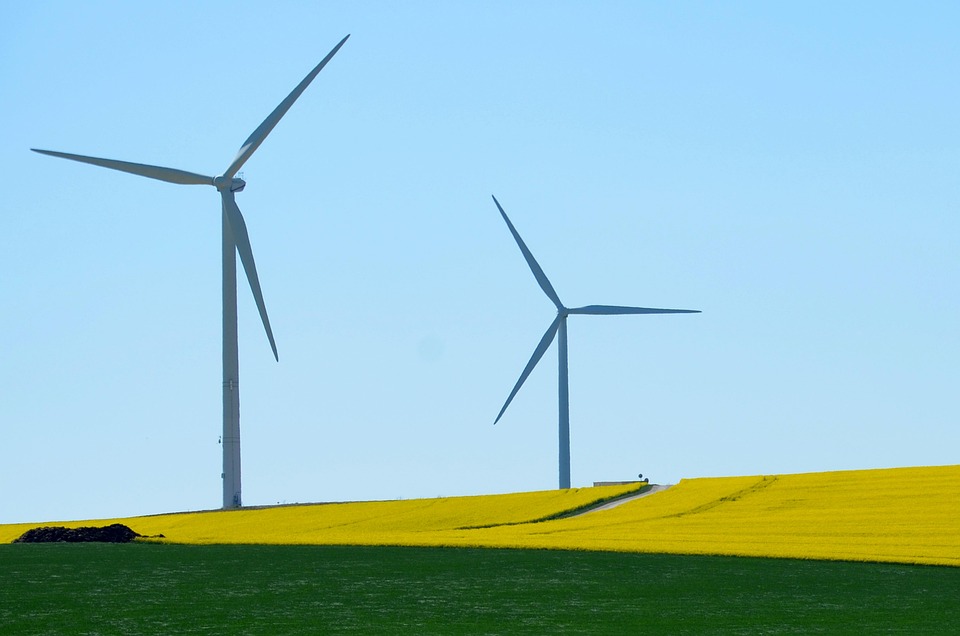
Harnessing the Power of the Wind: Empowering Communities with Small Scale Wind Energy
Wind energy has long been recognized as a sustainable and renewable source of power. While large wind farms have become a common sight in many parts of the world, there is also great potential for harnessing wind energy on a smaller scale. Small scale wind energy systems can provide communities with a reliable source of electricity, reduce their dependence on fossil fuels, and empower them to take control of their energy production.
The Benefits of Small Scale Wind Energy
There are many benefits to using small scale wind energy systems. One of the most obvious benefits is that they generate clean, renewable energy without producing harmful emissions. This can help reduce the carbon footprint of a community and contribute to efforts to combat climate change. Small scale wind energy systems can also provide a reliable source of power, particularly in remote or off-grid areas where access to the electricity grid may be limited or unreliable.
Another benefit of small scale wind energy systems is that they can help communities save money on their electricity bills. By generating their own power, communities can reduce their reliance on expensive utility companies and insulate themselves from fluctuations in energy prices. This can be particularly important for low-income communities that may struggle to pay their energy bills.
How Small Scale Wind Energy Works
Small scale wind energy systems work on the same principle as large wind farms. Wind turbines are used to capture the kinetic energy of the wind and convert it into electricity. The electricity generated by the turbines can be used to power homes, businesses, and other buildings, or stored in batteries for later use.
There are two main types of small scale wind energy systems: horizontal-axis turbines and vertical-axis turbines. Horizontal-axis turbines are the most common type of wind turbine and consist of a rotor mounted on a tall tower. Vertical-axis turbines have a rotor that spins around a vertical axis and are often used in urban areas where space is limited.
Common Questions About Small Scale Wind Energy
1. How much wind do you need to generate electricity?
In general, you need a wind speed of at least 10 miles per hour to generate electricity with a small scale wind turbine. However, the exact amount of wind required will depend on the size and efficiency of the turbine, as well as other factors such as the height of the tower and the local climate.
2. How much electricity can a small scale wind turbine generate?
The amount of electricity generated by a small scale wind turbine will depend on its size, efficiency, and the wind speed at the site. In general, a small scale wind turbine can generate enough electricity to power a few homes or businesses, but larger turbines may be able to generate more power.
3. Are small scale wind energy systems expensive to install?
The cost of installing a small scale wind energy system can vary depending on the size and type of turbine, the site conditions, and other factors. However, in general, the cost of installing a small scale wind energy system has decreased in recent years as the technology has become more efficient and affordable.
Empowering Communities with Small Scale Wind Energy
Small scale wind energy systems have the potential to empower communities by giving them greater control over their energy production. By generating their own electricity, communities can reduce their reliance on external sources of power and become more self-sufficient. This can help communities become more resilient in the face of disasters or disruptions to the electricity grid.
Small scale wind energy systems can also provide economic benefits to communities by creating jobs and stimulating local economies. Installing, maintaining, and operating wind turbines can create jobs in manufacturing, construction, and maintenance, as well as in related industries such as energy storage and grid integration. This can help boost economic development in rural and underserved areas.
Conclusion
Small scale wind energy systems have the potential to revolutionize the way communities generate and use electricity. By harnessing the power of the wind, communities can reduce their carbon footprint, save money on their energy bills, and empower themselves to take control of their energy production. With the right support and investment, small scale wind energy systems can help create a more sustainable and resilient energy future for communities around the world.