Harvesting Hope: The Impact of Climate Change on Agriculture
Climate change is a global phenomenon that is affecting every aspect of our lives, including agriculture. As temperatures rise and weather patterns become more erratic, farmers around the world are facing new challenges that are impacting their ability to grow crops and raise livestock. In this article, we will explore the ways in which climate change is impacting agriculture and what can be done to mitigate its effects.
The Impact of Climate Change on Crop Yields
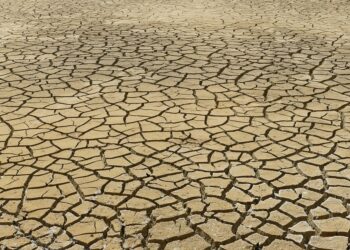
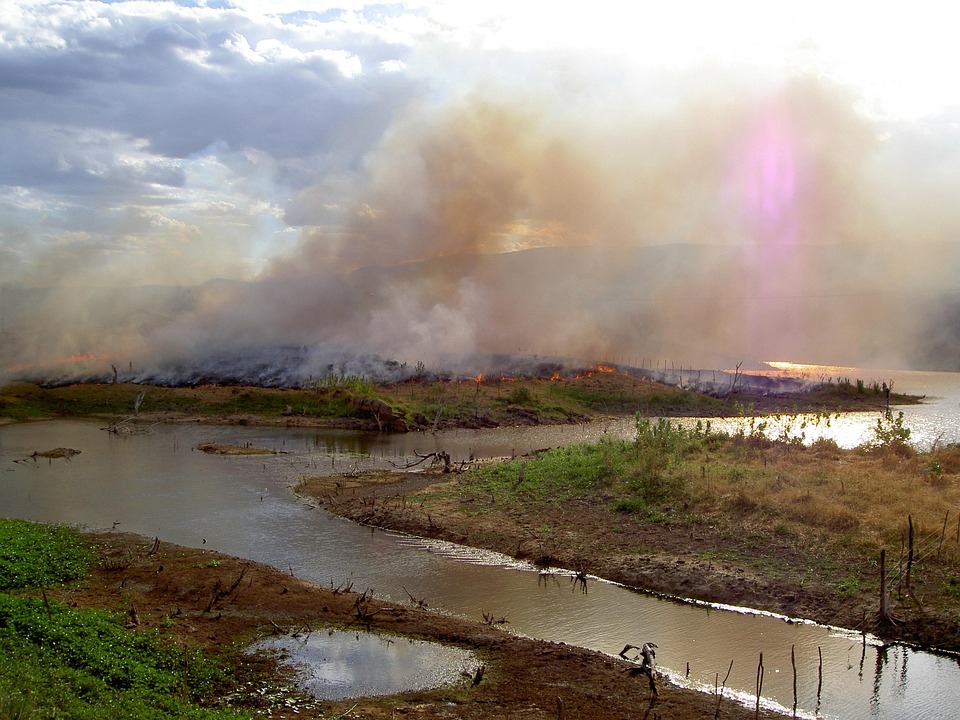
One of the most significant impacts of climate change on agriculture is its effect on crop yields. Rising temperatures and changing weather patterns can lead to droughts, floods, and other extreme weather events that can destroy crops and reduce yields. In addition, changes in temperature and precipitation can alter the distribution of pests and diseases, further reducing crop yields.
According to the Intergovernmental Panel on Climate Change (IPCC), global crop yields are expected to decline by 2% per decade due to climate change. This is a significant decrease that will have far-reaching implications for food security and the global economy.
Adapting to Climate Change
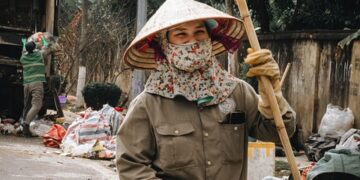
Despite the challenges posed by climate change, there are steps that farmers can take to adapt to these changing conditions. One of the most important things that farmers can do is to diversify their crops and livestock. By growing a variety of crops and raising different types of livestock, farmers can reduce their vulnerability to the impacts of climate change.
Another important step that farmers can take is to improve their soil health. Healthy soil is more resilient to the impacts of climate change, such as drought and flooding, and can help to maintain crop yields even in challenging conditions. Practices such as no-till farming and cover cropping can help to improve soil health and reduce erosion.
The Role of Technology
Technology also plays a crucial role in helping farmers adapt to the impacts of climate change. For example, precision agriculture technologies such as GPS-guided tractors and drones can help farmers to optimize their use of inputs such as water and fertilizer, reducing waste and increasing efficiency.
In addition, biotechnology can help farmers to develop crops that are more resilient to the impacts of climate change, such as drought-tolerant corn and heat-resistant wheat. Genetic engineering can also help to develop crops that are more resistant to pests and diseases, reducing the need for pesticides.
Policy Solutions
While individual actions are important, government policies also play a crucial role in helping farmers adapt to the impacts of climate change. For example, governments can provide financial incentives for farmers to adopt sustainable practices, such as cover cropping and no-till farming. They can also invest in research and development to help farmers develop new technologies and practices to adapt to changing conditions.
Another important policy solution is to address the root causes of climate change by reducing greenhouse gas emissions. By transitioning to renewable energy sources and reducing deforestation, governments can help to mitigate the impacts of climate change on agriculture and other sectors of the economy.
Conclusion
In conclusion, climate change is having a significant impact on agriculture, with potentially devastating consequences for food security and the global economy. However, by taking proactive steps to adapt to these changing conditions, farmers can help to mitigate the impacts of climate change and ensure a sustainable future for agriculture.
By diversifying crops and livestock, improving soil health, and investing in technology, farmers can increase their resilience to the impacts of climate change and maintain crop yields even in challenging conditions. In addition, government policies play a crucial role in supporting farmers in their efforts to adapt to the impacts of climate change.
By working together and taking collective action, we can harvest hope for the future of agriculture in a changing climate.