The battle between solar and wind energy for a sustainable future is a power struggle that has been ongoing for years. Both sources of renewable energy have their own unique advantages and disadvantages, making it difficult to determine which is the better option for the future. In this article, we will delve into the key differences between solar and wind energy, and explore the benefits and challenges of each in the quest for a sustainable future.
What is Solar Energy?
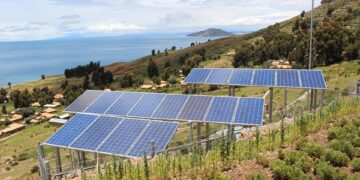
Solar energy is derived from the sun’s rays, which are harnessed using solar panels. These panels convert sunlight into electricity through a process called the photovoltaic effect. Solar energy is one of the most abundant sources of renewable energy on Earth, with the potential to power homes, businesses, and even entire cities.
Advantages of Solar Energy
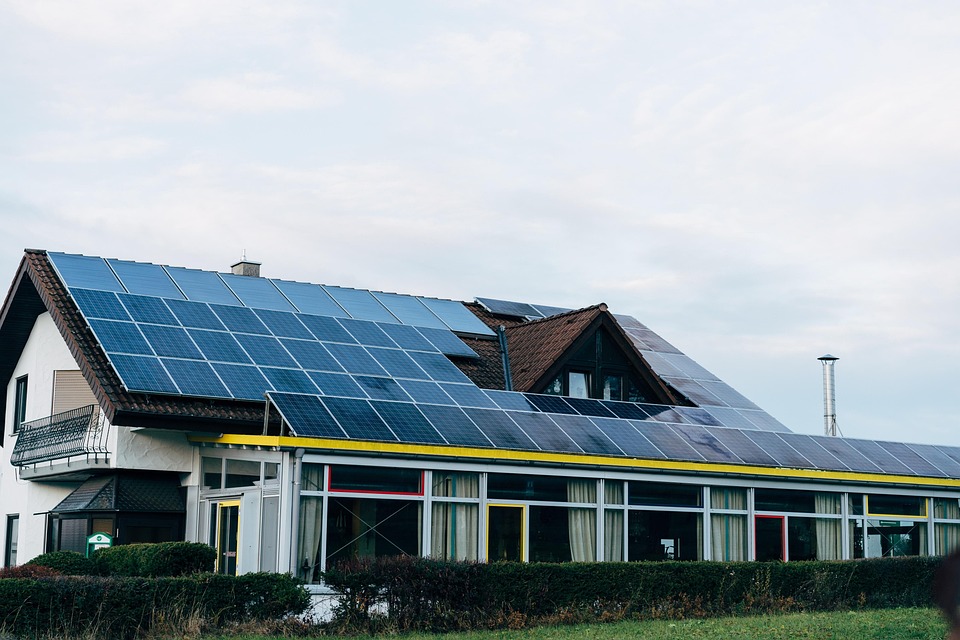
One of the main advantages of solar energy is its sustainability. Unlike fossil fuels, which are finite resources that contribute to pollution and climate change, solar energy is a clean and renewable source of power. Solar panels can be installed on rooftops or in large solar farms, allowing individuals and communities to generate their own electricity.
Another advantage of solar energy is its versatility. Solar panels can be used to power everything from small electronic devices to large-scale industrial operations. In addition, solar energy can be stored in batteries for use during cloudy days or at night, making it a reliable source of power.
Challenges of Solar Energy
Despite its many benefits, solar energy also faces several challenges. One of the main challenges is the cost of solar panels and installation. While the price of solar panels has decreased in recent years, they can still be expensive to purchase and install. In addition, the efficiency of solar panels can be affected by factors such as shading, weather conditions, and the angle of the sun.
Another challenge of solar energy is its intermittency. Solar panels only generate electricity when the sun is shining, meaning that they cannot produce power at night or during cloudy days. This can make it difficult to rely solely on solar energy for electricity needs, especially in regions with limited sunlight.
What is Wind Energy?
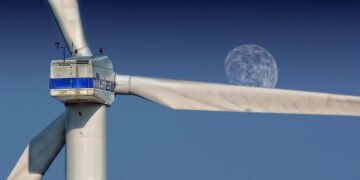
Wind energy is generated by harnessing the power of the wind through wind turbines. These turbines convert the kinetic energy of the wind into electricity, which can be used to power homes, businesses, and other facilities. Wind energy is a clean and renewable source of power that has the potential to reduce dependence on fossil fuels.
Advantages of Wind Energy
One of the main advantages of wind energy is its abundance. Wind is a limitless resource that is available in almost every corner of the globe. This makes wind energy a reliable source of power that can help to reduce greenhouse gas emissions and combat climate change.
Another advantage of wind energy is its scalability. Wind turbines can be installed in various sizes, from small turbines for residential use to large turbines for commercial or utility-scale projects. This flexibility allows wind energy to be adapted to meet the needs of different communities and industries.
Challenges of Wind Energy
Despite its many benefits, wind energy also faces challenges. One of the main challenges is the impact of wind turbines on wildlife and the environment. Wind turbines can be noisy and disruptive to wildlife, particularly birds and bats. In addition, the construction and operation of wind farms can have negative impacts on local ecosystems.
Another challenge of wind energy is its intermittency. Like solar energy, wind energy is dependent on weather conditions and can be inconsistent. This can make it difficult to rely solely on wind energy for electricity needs, especially in regions with variable wind patterns.
The Battle for a Sustainable Future
The battle between solar and wind energy for a sustainable future is ongoing, as both sources of renewable energy offer unique advantages and face challenges. While solar energy is more versatile and can be used in a variety of applications, wind energy is abundant and scalable. Both sources of energy have the potential to reduce dependence on fossil fuels and combat climate change.
In the quest for a sustainable future, it is important to consider the strengths and weaknesses of both solar and wind energy. By harnessing the power of these renewable resources and investing in innovative technologies, we can create a cleaner and more sustainable world for future generations. Ultimately, the battle between solar and wind energy is not a competition, but a collaboration towards a common goal of a greener and more sustainable future.