The Power Battle: Solar vs Wind Energy – Which Renewable Source Reigns Supreme?
Renewable energy sources have gained significant attention in recent years as the world looks for ways to reduce its reliance on fossil fuels and combat climate change. Two of the most popular renewable energy sources are solar and wind power. Both technologies have their advantages and disadvantages, but which one reigns supreme in the battle for clean energy dominance? Let’s take a closer look at the pros and cons of solar and wind energy to determine which one comes out on top.
The Basics of Solar Energy
Solar energy is harnessed by capturing the sun’s rays and converting them into electricity using photovoltaic cells. These cells are typically installed on rooftops or in large solar farms where they can collect sunlight throughout the day. Solar energy is a clean and renewable source of power that produces no greenhouse gas emissions or air pollutants.
Advantages of Solar Energy
One of the main advantages of solar energy is its abundance. The sun shines all over the world, making solar power a widely available resource. Solar panels can be installed on rooftops or in remote locations, providing electricity to areas that are off the grid. Solar energy is also scalable, meaning that it can be used to power anything from a single home to an entire city.
Disadvantages of Solar Energy
One of the main drawbacks of solar energy is its intermittent nature. Solar panels only produce electricity when the sun is shining, which means that energy storage is needed to ensure a continuous power supply. Additionally, solar panels can be expensive to install, although the cost has been steadily decreasing in recent years.
The Basics of Wind Energy
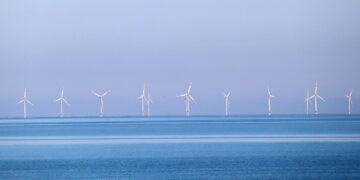
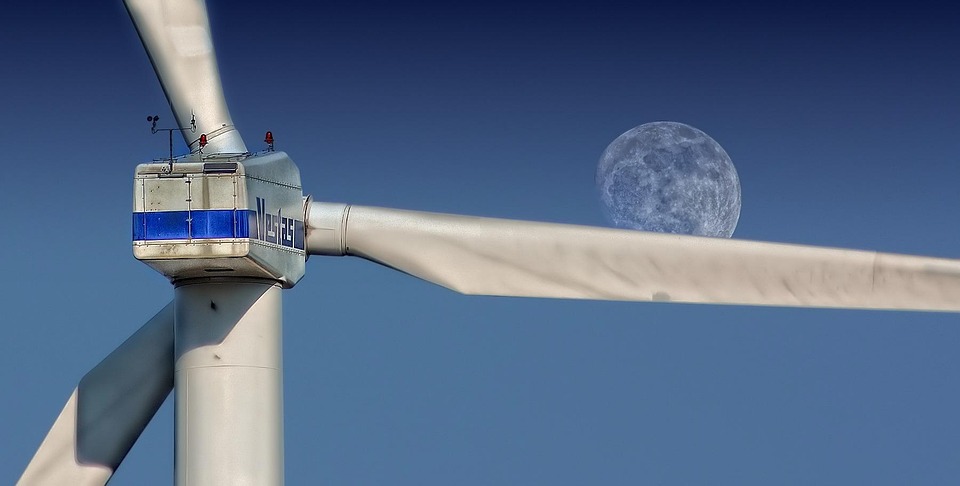
Wind energy is harnessed by capturing the kinetic energy of the wind and converting it into electricity using wind turbines. These turbines are typically installed in windy areas such as coastal regions or mountain ridges where they can generate power. Wind energy is a clean and renewable source of power that produces no greenhouse gas emissions or air pollutants.
Advantages of Wind Energy
One of the main advantages of wind energy is its scalability. Wind turbines can be installed in a variety of sizes, from small residential turbines to large utility-scale turbines. Wind energy is also cost-effective, with the levelized cost of electricity from wind power decreasing over time. Additionally, wind energy is a reliable source of power, as the wind is always blowing somewhere.
Disadvantages of Wind Energy
One of the main drawbacks of wind energy is its reliance on wind speed. Wind turbines only produce electricity when the wind is blowing at the right speed, which can be unpredictable. Wind turbines can also be noisy and have visual impacts on the landscape, which can be a concern for some communities.
Comparing Solar and Wind Energy
When comparing solar and wind energy, it’s important to consider factors such as availability, scalability, reliability, cost, and environmental impact. Both technologies have their strengths and weaknesses, but which one comes out on top?
Availability
Solar energy is more widely available than wind energy, as the sun shines all over the world. Solar panels can be installed on rooftops or in remote locations, providing electricity to areas that are off the grid. Wind energy, on the other hand, is more location-specific, as it relies on the presence of strong and consistent winds.
Scalability
Both solar and wind energy are scalable technologies that can be used to power anything from a single home to an entire city. Solar panels can be installed on rooftops or in large solar farms, while wind turbines can be installed in a variety of sizes, from small residential turbines to large utility-scale turbines.
Reliability
Wind energy is a more reliable source of power than solar energy, as the wind is always blowing somewhere. However, wind speed can be unpredictable, which can affect the output of wind turbines. Solar energy, on the other hand, is more intermittent, as solar panels only produce electricity when the sun is shining.
Cost
Both solar and wind energy have seen significant cost reductions in recent years, making them more competitive with traditional fossil fuels. The levelized cost of electricity from both technologies is decreasing, although solar energy is currently slightly more expensive to install than wind energy.
Environmental Impact
Both solar and wind energy are clean and renewable sources of power that produce no greenhouse gas emissions or air pollutants. However, wind energy can have visual impacts on the landscape and be noisy, which can be a concern for some communities. Solar energy, on the other hand, has minimal environmental impact once the panels are installed.
Conclusion
In the battle for clean energy dominance, both solar and wind energy have their advantages and disadvantages. While solar energy is more widely available and has minimal environmental impact, wind energy is more reliable and cost-effective. Ultimately, the choice between solar and wind energy depends on factors such as location, energy needs, and budget.
Whichever renewable energy source you choose, both solar and wind energy play a crucial role in the transition to a more sustainable and environmentally friendly future. By harnessing the power of the sun and wind, we can reduce our reliance on fossil fuels and combat climate change for generations to come.