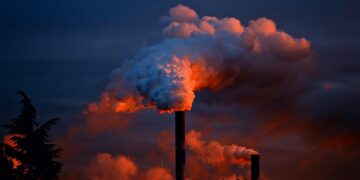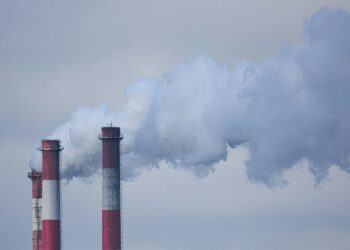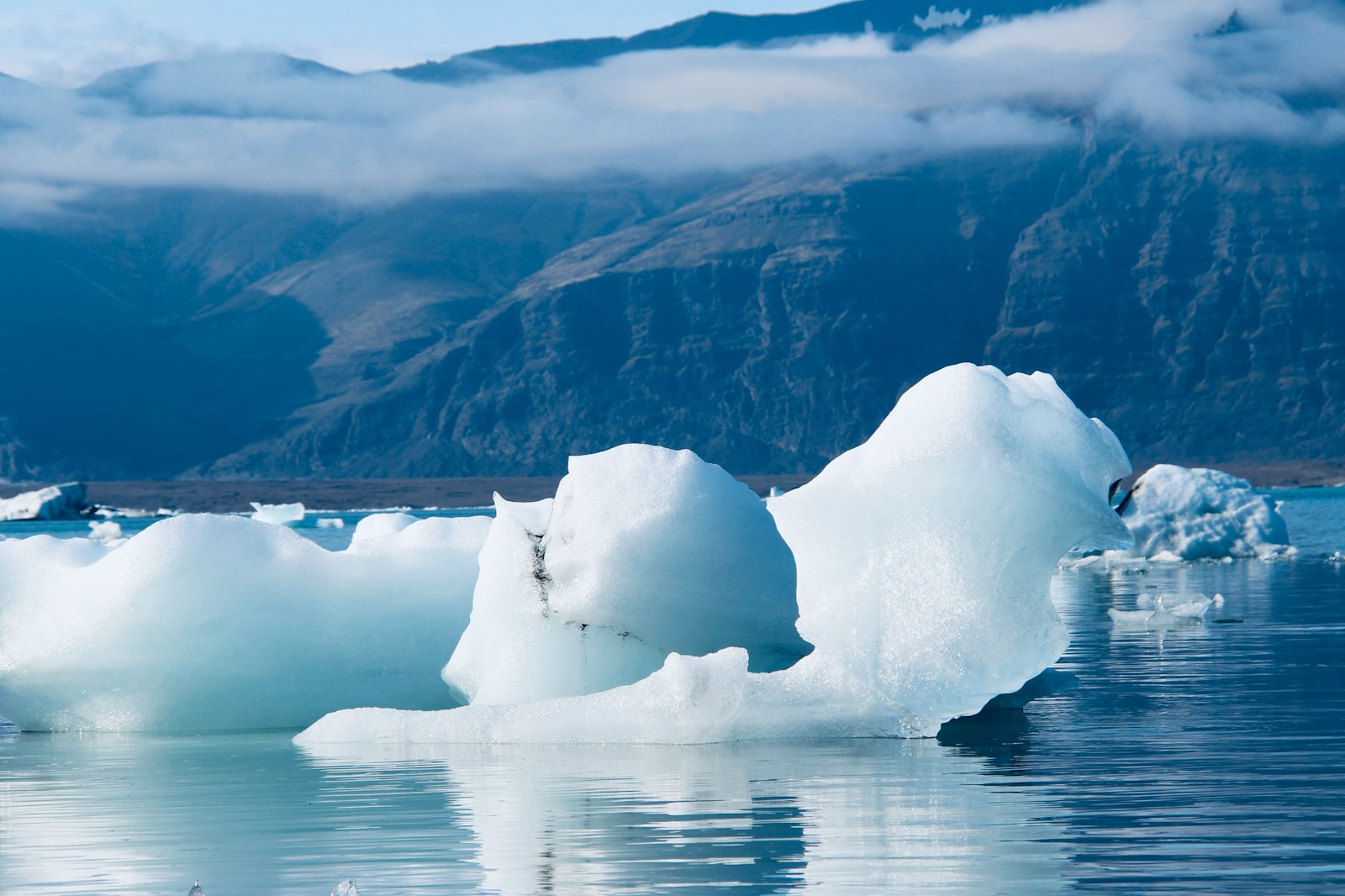
Ocean warming is a silent threat that is wreaking havoc on marine life around the world. As global temperatures continue to rise due to human activities such as burning fossil fuels and deforestation, the oceans are absorbing much of this heat. This has led to a gradual increase in sea surface temperatures, which is having a devastating impact on marine ecosystems.
### The Effects of Ocean Warming on Marine Life
#### Coral Reefs
One of the most immediate and visible impacts of ocean warming is the bleaching of coral reefs. Coral reefs are incredibly sensitive to changes in water temperature, and even a slight increase can cause them to expel the algae that live in their tissues, leading to bleaching. This not only weakens the coral, but also disrupts the delicate balance of the ecosystem that relies on these reefs for food and shelter.
#### Fish and Marine Mammals
Ocean warming also affects fish and marine mammals, as many species rely on specific temperature ranges to thrive. Warmer waters can lead to changes in the distribution and abundance of these animals, as well as affect their breeding and feeding patterns. For example, some fish species may move to cooler waters, while others may struggle to find enough food due to changes in plankton populations.
#### Sea Turtles
Sea turtles are another species that is vulnerable to the effects of ocean warming. Rising temperatures can skew the sex ratio of hatchlings, as warmer temperatures tend to produce more females. This could lead to a shortage of males in the population, making it harder for turtles to reproduce and maintain healthy populations.
### The Role of Phytoplankton
Phytoplankton are tiny organisms that form the base of the marine food chain. They play a crucial role in absorbing carbon dioxide from the atmosphere and producing oxygen through photosynthesis. However, ocean warming can disrupt their growth and distribution, which can have far-reaching consequences for marine life.
### Ocean Acidification
In addition to warming, the oceans are also becoming more acidic due to the absorption of carbon dioxide from the atmosphere. This process, known as ocean acidification, can have a detrimental effect on marine life, particularly those that rely on calcium carbonate to build their shells and skeletons. For example, oysters, clams, and coral reefs may struggle to grow and maintain their structures in more acidic waters.
### Mitigating the Impacts of Ocean Warming
While the impacts of ocean warming are already being felt, there are steps that can be taken to mitigate its effects and protect marine life. One key solution is to reduce carbon emissions and transition to renewable energy sources to slow down the rate of warming. Additionally, creating marine protected areas and implementing sustainable fishing practices can help to protect vulnerable species and ecosystems.
### Conclusion
In conclusion, ocean warming is a silent threat that is having devastating impacts on marine life around the world. From coral reefs to fish and marine mammals, the effects of warming waters are far-reaching and profound. It is crucial that we take action to reduce our carbon footprint and protect the oceans for future generations. By raising awareness about the importance of ocean conservation and implementing sustainable practices, we can help to safeguard the health and diversity of marine ecosystems.