Shining a Light on Solar Power: The Ultimate Guide to Making the Switch
With the rising costs of electricity and the growing concern over environmental impact, many homeowners and businesses are looking for alternative energy sources. Solar power has emerged as a viable solution, offering a clean and sustainable way to generate electricity. In this comprehensive guide, we will explore the benefits of solar power, how to make the switch, and common questions that arise when considering this renewable energy source.
What is Solar Power?
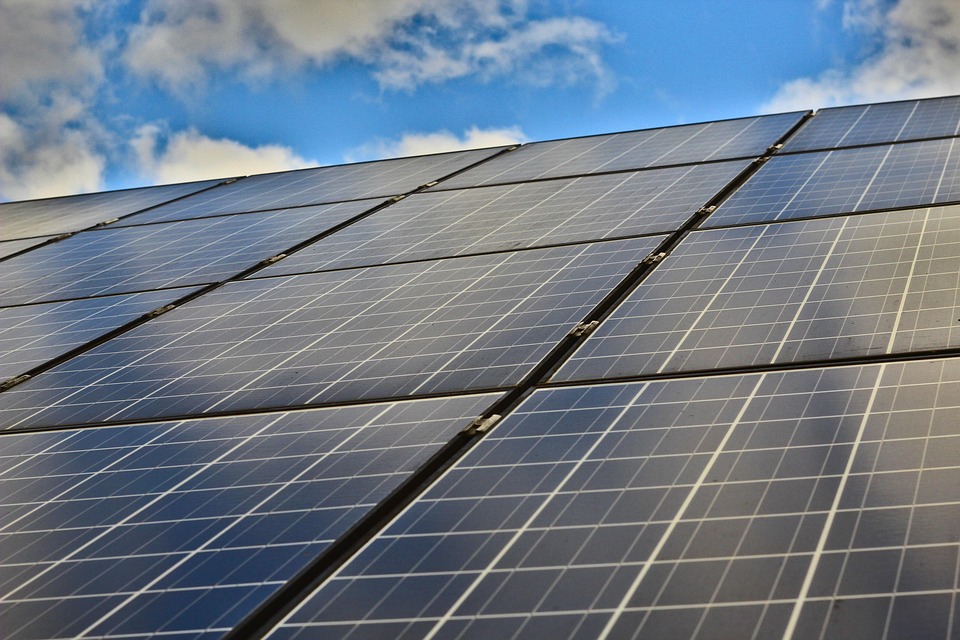
Solar power is the conversion of sunlight into electricity using photovoltaic (PV) cells. These cells are made of semiconductor materials that absorb sunlight and convert it into direct current (DC) electricity. The electricity can then be used to power homes, businesses, and other devices.
Benefits of Solar Power
There are numerous benefits to using solar power as an energy source. One of the most significant advantages is that it is a clean and renewable source of energy. Unlike fossil fuels, which produce harmful emissions and contribute to climate change, solar power generates electricity without releasing any pollutants into the atmosphere.
Additionally, solar power can help homeowners and businesses save money on their electricity bills. By generating their own electricity, they can reduce their reliance on the grid and potentially even sell excess power back to the utility company through net metering programs.
Furthermore, solar power systems require very little maintenance and have a long lifespan, typically lasting 25 years or more. This makes them a cost-effective investment for those looking to reduce their carbon footprint and save money on energy costs in the long run.
How to Make the Switch to Solar Power
Making the switch to solar power is a straightforward process that begins with evaluating your energy needs and determining the size of the system you will need. You can start by contacting a reputable solar installer who can assess your property, provide you with a quote, and help you navigate the permitting and installation process.
Once your system is installed, you can start enjoying the benefits of solar power immediately. Your system will generate electricity during the day when the sun is shining, and any excess electricity will be stored in batteries or sent back to the grid through net metering.
Common Questions About Solar Power
1. How much does a solar power system cost?
The cost of a solar power system can vary depending on the size of the system, the quality of the components, and other factors. On average, a residential solar power system can cost anywhere from $10,000 to $30,000, but there are often rebates and incentives available that can help offset the cost.
2. How long does it take to recoup the cost of a solar power system?
The payback period for a solar power system can vary depending on your energy usage, the cost of electricity in your area, and the incentives available. On average, most homeowners recoup the cost of their system within 5-7 years, after which they can enjoy free electricity for years to come.
3. What happens if it’s cloudy or raining?
Solar power systems can still generate electricity on cloudy or rainy days, although they will produce less power than on sunny days. Additionally, any excess electricity generated during sunny days can be stored in batteries for use when the sun is not shining.
Conclusion
Solar power is a clean, renewable, and cost-effective energy source that offers numerous benefits to homeowners and businesses. By making the switch to solar power, you can reduce your carbon footprint, save money on energy costs, and enjoy free electricity for years to come. If you are considering solar power, be sure to do your research, contact a reputable installer, and take advantage of the incentives available in your area. With the right information and guidance, you can make the switch to solar power with confidence and ease.
So, what are you waiting for? Shine a light on solar power and start enjoying the benefits of clean and sustainable energy today!