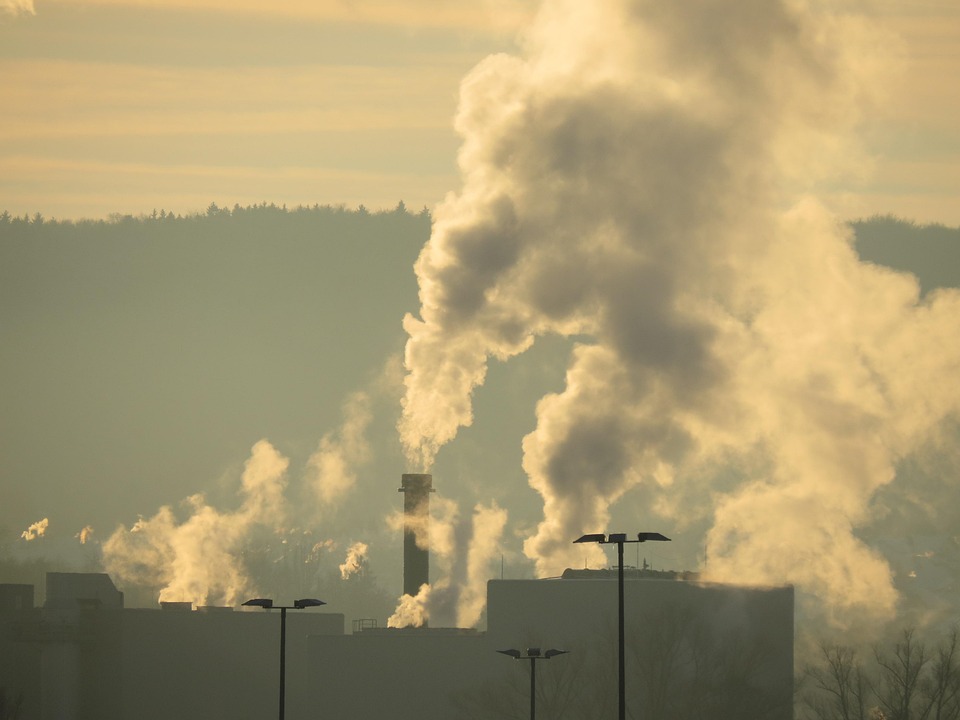
The Plastic Predicament: Unveiling the Environmental Impact of Single-Use Plastics
Introduction
Single-use plastics have become an integral part of our daily lives, but their convenience comes at a cost. The environmental impact of these plastics is significant and far-reaching, affecting ecosystems, wildlife, and human health. In this article, we will delve into the plastic predicament and explore the devastating effects of single-use plastics on the environment.
The Rise of Single-Use Plastics
In recent years, the use of single-use plastics has skyrocketed, driven by their convenience and affordability. Items such as plastic bags, straws, and water bottles are used once and then discarded, often ending up in landfills or oceans. This disposable mentality has led to a plastic pollution crisis that threatens the health of our planet.
Environmental Impact of Single-Use Plastics
The environmental impact of single-use plastics is profound and multifaceted. These plastics are made from fossil fuels, which contribute to climate change and environmental degradation. When disposed of improperly, they can leach harmful chemicals into the soil and water, contaminating ecosystems and posing a threat to wildlife.
Plastic Pollution in Oceans
One of the most visible and alarming effects of single-use plastics is the pollution of our oceans. Every year, millions of tons of plastic waste enter the world’s oceans, where it can harm marine life and disrupt entire ecosystems. Sea turtles, seabirds, and marine mammals are particularly vulnerable to ingesting or becoming entangled in plastic debris.
Microplastics
In addition to larger plastic items, single-use plastics also break down into tiny particles known as microplastics. These microplastics can be found in water sources, soil, and even in the air we breathe. They can be ingested by wildlife and humans, leading to a range of adverse health effects.
Solutions to the Plastic Predicament
Addressing the plastic predicament requires a multi-faceted approach that involves individuals, businesses, and governments. Some potential solutions include:
Reducing Plastic Use
One of the most effective ways to combat the plastic crisis is to reduce our use of single-use plastics. This can be done by opting for reusable alternatives, such as stainless steel water bottles and cloth shopping bags. By making small changes to our daily habits, we can significantly reduce our plastic footprint.
Recycling and Proper Disposal
Recycling is another important part of the solution to the plastic problem. By properly disposing of plastic waste and recycling whenever possible, we can help reduce the amount of plastic that ends up in landfills and oceans. It is essential to follow local recycling guidelines and avoid contaminating recycling streams with non-recyclable materials.
Promoting Legislation and Policy Changes
Government intervention is also crucial in addressing the plastic crisis. By implementing policies such as plastic bans, taxes on single-use plastics, and incentives for eco-friendly alternatives, lawmakers can help reduce plastic pollution and promote a more sustainable future.
Conclusion
The plastic predicament is a complex and urgent issue that requires immediate action. By understanding the environmental impact of single-use plastics and taking steps to reduce our plastic consumption, we can help protect our planet and create a healthier, more sustainable world for future generations.