The Bright Side and Shadows of Renewable Energy: A Comprehensive Analysis of its Benefits and Drawbacks
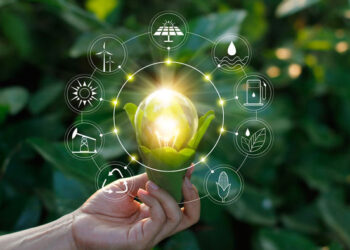
Renewable energy has become a hot topic in recent years, as the world grapples with the dual challenges of climate change and energy security. While there are many benefits to using renewable energy sources such as solar, wind, and hydro power, there are also some drawbacks that need to be considered. In this article, we will take a comprehensive look at the bright side and shadows of renewable energy, examining both its benefits and drawbacks in detail.
The Benefits of Renewable Energy
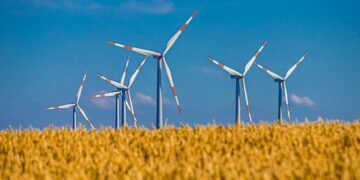
There are many benefits to using renewable energy sources. One of the biggest advantages is that they are clean and sustainable. Unlike fossil fuels, which produce harmful greenhouse gas emissions when burned, renewable energy sources produce no emissions at all. This means that using renewable energy can help to reduce air pollution and combat climate change.
Another benefit of renewable energy is that it is abundant and widely available. The sun shines everywhere, the wind blows in many places, and water is abundant in rivers and oceans. This means that renewable energy sources are more resilient to disruptions in the energy supply chain, such as geopolitical conflicts or natural disasters.
Renewable energy sources also have the potential to create jobs and stimulate economic growth. As the renewable energy industry grows, more jobs will be created in manufacturing, installation, and maintenance. This can help to boost local economies and create new opportunities for workers.
The Drawbacks of Renewable Energy
While renewable energy sources have many benefits, there are also some drawbacks that need to be considered. One of the biggest challenges is the intermittency of renewable energy sources. The sun doesn’t always shine, the wind doesn’t always blow, and rivers don’t always flow. This means that renewable energy sources can’t always provide a consistent and reliable source of energy.
Another drawback of renewable energy is the upfront cost of installation. While the cost of renewable energy technologies has been falling in recent years, they can still be expensive to install. This can be a barrier to adoption for some individuals and businesses, especially in developing countries.
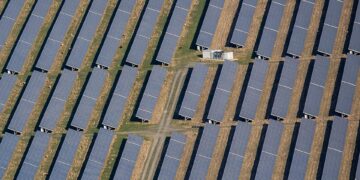
Renewable energy sources can also have environmental impacts of their own. While they produce no emissions when generating electricity, the manufacturing and disposal of renewable energy technologies can have environmental consequences. For example, solar panels contain toxic chemicals that can leach into the soil and water if not properly disposed of.
Conclusion
In conclusion, renewable energy has many benefits, including being clean, sustainable, and widely available. However, there are also drawbacks that need to be considered, such as intermittency, upfront costs, and environmental impacts. By weighing the pros and cons of renewable energy, we can make informed decisions about how to best transition to a more sustainable energy future.
It’s important to continue researching and developing renewable energy technologies to address these drawbacks and make them more cost-effective and efficient. By doing so, we can harness the power of renewable energy to combat climate change, create jobs, and stimulate economic growth in a sustainable way.
Overall, renewable energy has the potential to revolutionize the way we generate and consume energy, but it will require careful planning and investment to realize its full potential. By considering both the bright side and shadows of renewable energy, we can make informed decisions about how to best transition to a more sustainable energy future.